By the time your little one reaches 12 months, they’re officially a toddler. This is such an exciting stage, filled with milestones, giggles, and maybe a few challenges too. Let’s dive into what you can expect as your toddler grows between 12 and 15 months!
Physical development
Standing up usually happens somewhere between 12 and 15 months, and once they’re steady, get ready – they’ll soon be on the move! Walking often comes next, though some little ones prefer to wait until 15 to 18 months to take their first steps. Either way, it’s all perfectly normal.
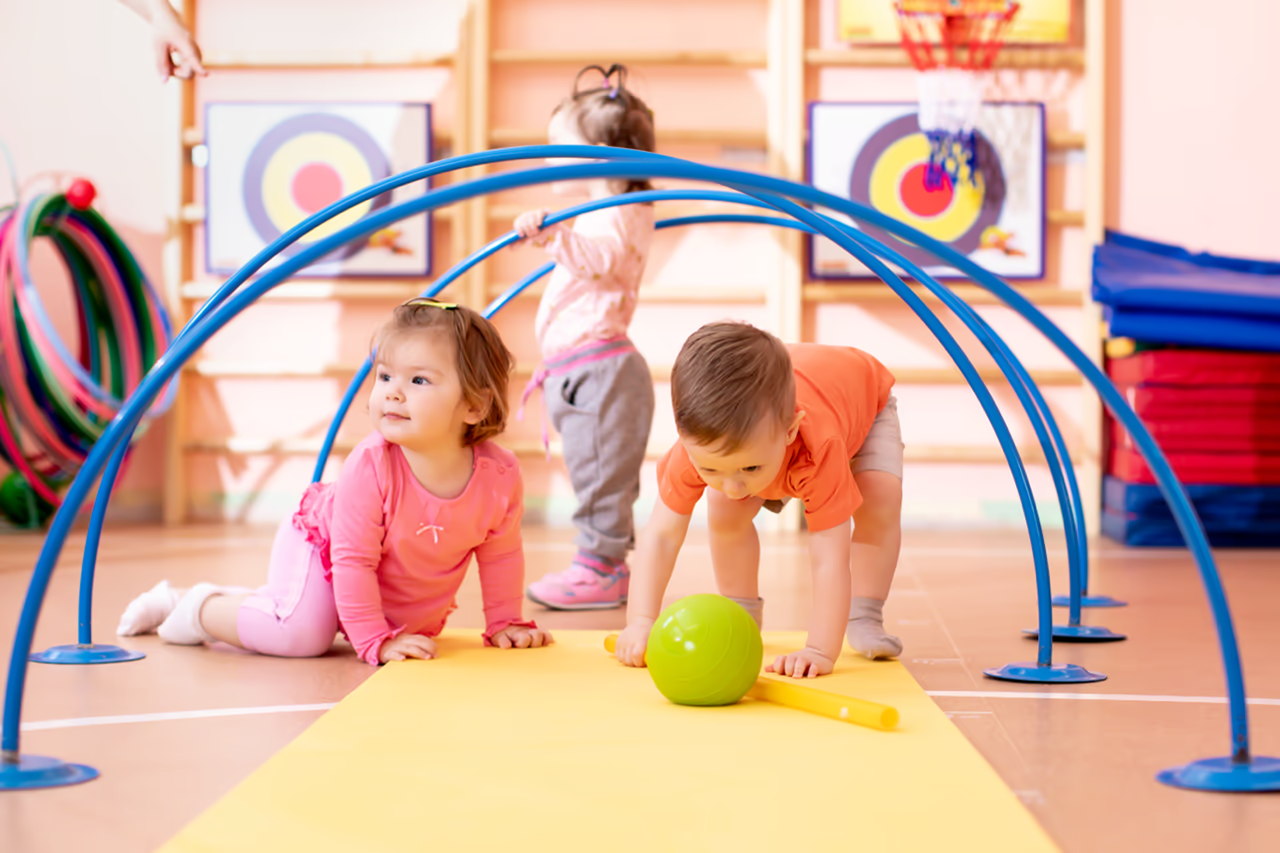
Before long, they might be climbing stairs, getting on and off furniture, or even trying to run in their own wobbly way. Have you noticed them dancing to music? It’s adorable how they bop along! And playing with a ball – kicking or throwing – is another fun way they practice coordination. Don’t be surprised if they start scribbling with crayons too – this is just the start of their creative journey.
Emotional and social development
Around this age, they love giving hugs and snuggling up with the people they’re closest to. Their emotional attachment to you and others is strong, and you might even catch them showing affection to a favourite stuffed animal or toy.
But with this attachment comes separation anxiety. This usually peaks around 14 months and is a completely natural phase. It’s their way of saying, “I need you!”
Here’s something amazing – toddlers at this age are starting to understand emotions. If they see someone sad or crying, they might look sad too or even try to comfort them in their own way. It’s incredible how much they’re learning just by watching and feeling.
Language and communication
Those adorable grunts and nods are starting to turn into real words now. You might hear their first “mama” or “dada,” and by 18 months, many toddlers can say six or more words.
Do they point to things they want or recognise? For example, if you ask, “Where’s your nose?” they might proudly point to it (or at least try!). They’re also beginning to understand simple instructions like, “Can you give me your toy?”
Everyday adventures
Curiosity is their driving force right now. They’ll open drawers, pull things off shelves, and examine everything in sight. It’s their way of learning about the world, though it means you might need to toddler-proof a bit more!
Many toddlers are starting to drink from a cup and becoming more skilled at feeding themselves. Finger foods are a hit, and they’re getting better at picking up all sorts of textures and shapes.
And let’s talk about playtime – games like peek-a-boo or hide-and-seek are huge favourites right now. These simple interactions are not only fun but also teach them about trust and anticipation.
What you can do
Make space for your toddler to practice standing, walking, and climbing safely. You’ll be amazed at how quickly they gain confidence.
Narrate your day, name objects, and read together – it’s one of the best ways to build their language skills.
Separation anxiety and tantrums can be tough, but they’re signs of growing independence. Comfort them when they need it and gently guide them through their big feelings.
Toddlers thrive on routines, so adding simple, predictable activities (like storytime or bedtime hugs) can make life feel safe and cozy for them.
Don’t be afraid to contact me if your child
- Climbing has not yet developed; they are unable to pull themselves up or climb.
- Sitting down isn’t controlled – they might plop down suddenly, like a “sack of flour.”
- When standing, their foot placement may be unusual, such as standing on tiptoes.
- They are not yet able to stand independently.
- Walking without support has not developed yet.
- One hand is noticeably underused or neglected.
- They are unable to pick up small objects or place them into or onto something.
- They do not seem to respond to speech or other noises.
- They may fixate on your face or mouth movements but don’t respond to their name.
- They do not point at objects or use their index finger to indicate interest.
- When looking at picture books, they don’t recognise or point to familiar images.
- They play quietly, without making sounds or vocalising during play.
- They don’t attempt to chew food and only eat pureed or soft foods.
- They do not try to remove simple clothing items, such as a hat or socks.
- They are often difficult to soothe, waking frequently and crying for extended periods.