Primitive reflexes
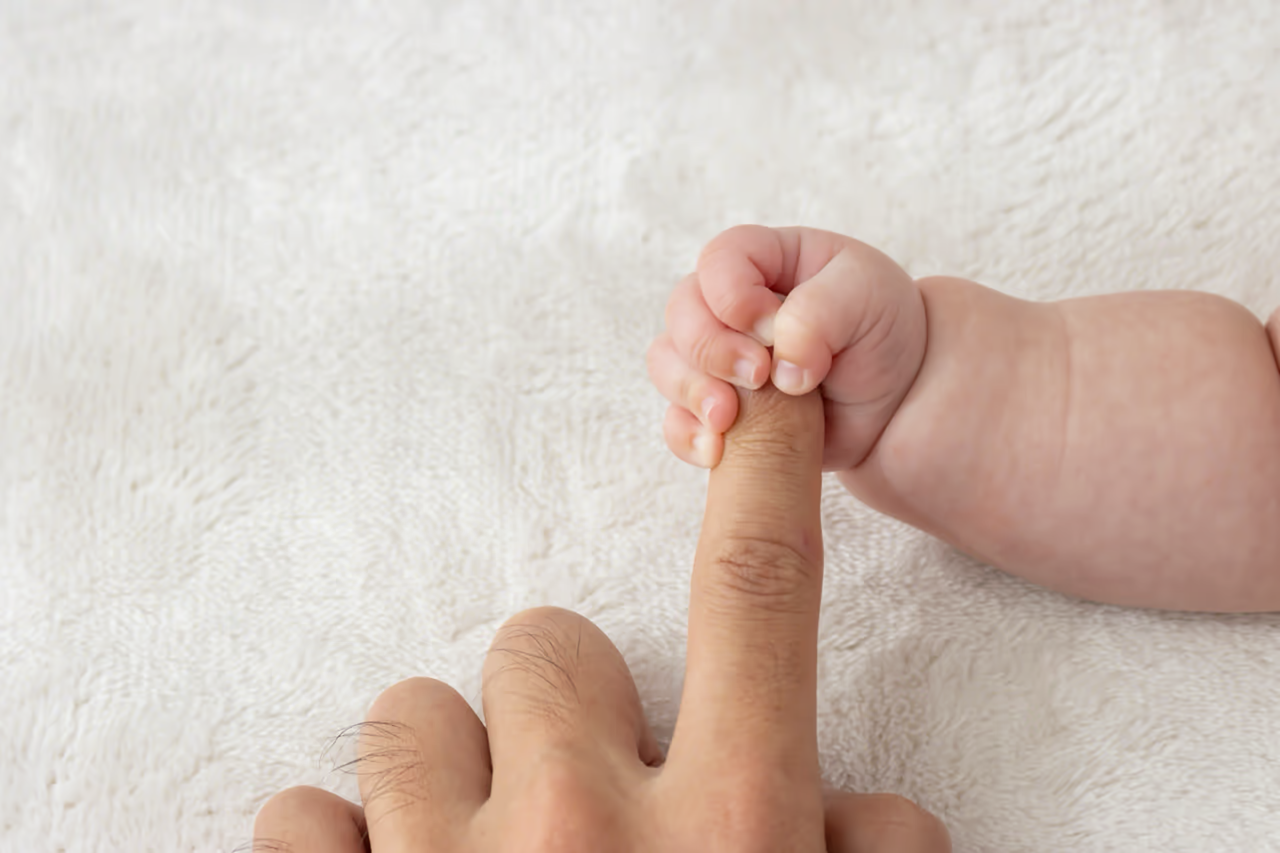
Every parent knows the joy of feeling their baby’s tiny hand grip their finger — it’s such a heartwarming moment! What many don’t realise is that this adorable gesture is actually a primitive reflex.
Primitive reflexes are a natural part of infancy and play a key role in early development. They help babies master the basic actions and movement patterns necessary for survival, like rooting for food or grasping for support. While there are several different reflexes, they all have one thing in common: as the brain matures, these involuntary movements gradually give way to voluntary ones, allowing babies to gain more control over their bodies.
Each reflex has its own timeline for fading away, marking important milestones in your baby’s development. They’re a fascinating reminder of how beautifully designed the early stages of growth are!