A big milestone!
Congratulations – your baby is now a whole year old! This is an exciting time of transition as your little one begins to leave infancy behind and steps closer to toddlerhood.
Physical milestones
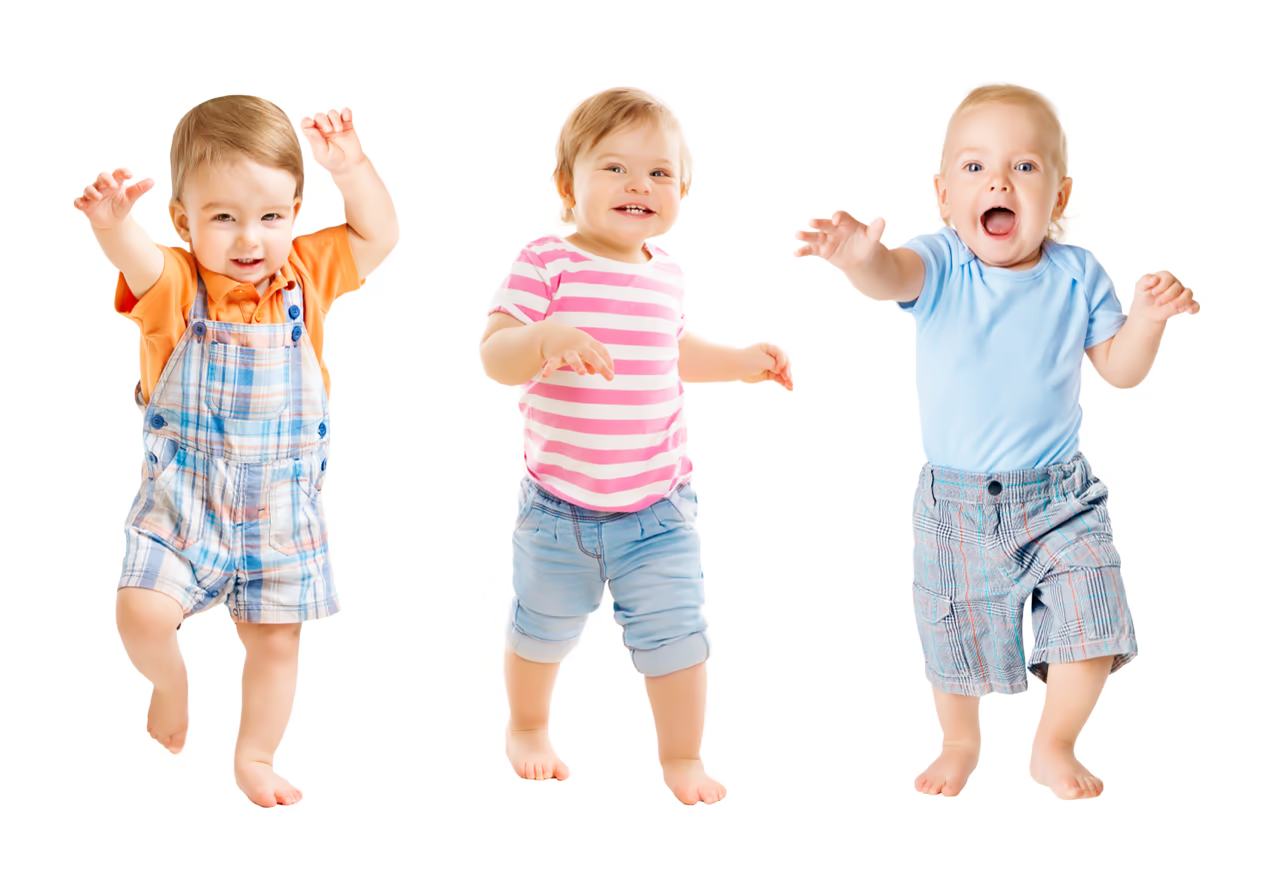
Most one-year-olds can stand on their own, and some might even take their first steps! But don’t worry if they’re not walking independently yet – many babies become confident walkers closer to 18 months.
By now, your baby is using both hands freely, experimenting with picking things up, stacking, or banging objects together. You might notice a hint of hand preference (right- or left-handedness), but this won’t solidify for a while.
They’re getting better at holding utensils like spoons, turning pages in books, and manipulating small objects.
Emotional and social development
Your baby is becoming more attuned to the emotions of others. In new or unfamiliar settings, they may seek reassurance from you by clinging or looking for comfort.
They’re starting to show their emotions more clearly, like delight when something excites them or frustration when they don’t get what they want. These emotional cues help you better understand their needs.
While they still prefer playing alongside others rather than with them (parallel play), they’re starting to notice and interact more with other children. Simple group activities like music classes or parent-child playdates can be a wonderful way to nurture this growing interest in social interaction.
Cognitive development
Your one-year-old’s attention span is about 2–5 minutes per activity. Rotate toys and activities to keep their interest piqued. For example, put away a toy they’ve lost interest in and introduce it again later – it’ll feel new and exciting!They love experimenting with cause and effect, like opening and closing containers or stacking and knocking over blocks.
Independence and routine
Your baby is getting better at feeding themselves! They might try holding a spoon, grabbing food with their hands, or drinking from a cup. Now is a great time to transition from a bottle to a cup – pediatricians often recommend saying goodbye to the bottle by 18 months.
They may start showing an interest in everyday tasks, like trying to help you get them dressed. While it might slow things down, encouraging this independence boosts their confidence!
As they grow more independent, they might resist bedtime. Establishing a consistent bedtime routine can help ease this transition and create a sense of security.
Play and learning
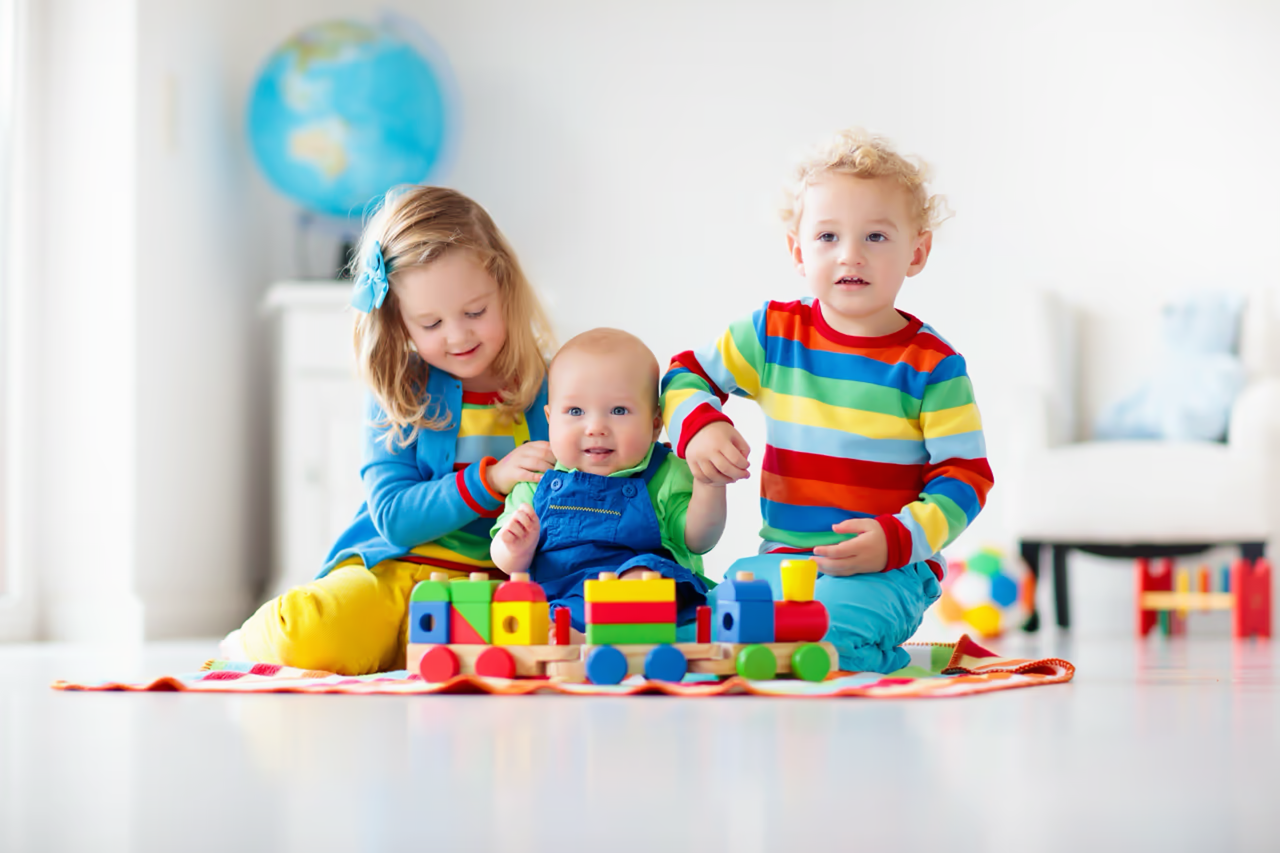
Activities like, stacking toys, and turning pages in books are still favourites. Simple toys like shape sorters or push-and-pull toys are great for this stage.
Consider introducing group play at music or movement classes, where your baby can explore and learn alongside other little ones.
Keep up the chatter! Your baby is soaking up language, so narrate your day, sing songs, and read plenty of books together.

- Not happy to see familiar people
- Avoiding eye contact
- Unable to be comforted by you or a close caregiver
- Not moving at all or not sitting up
- Not babbling or making sounds in response to conversation