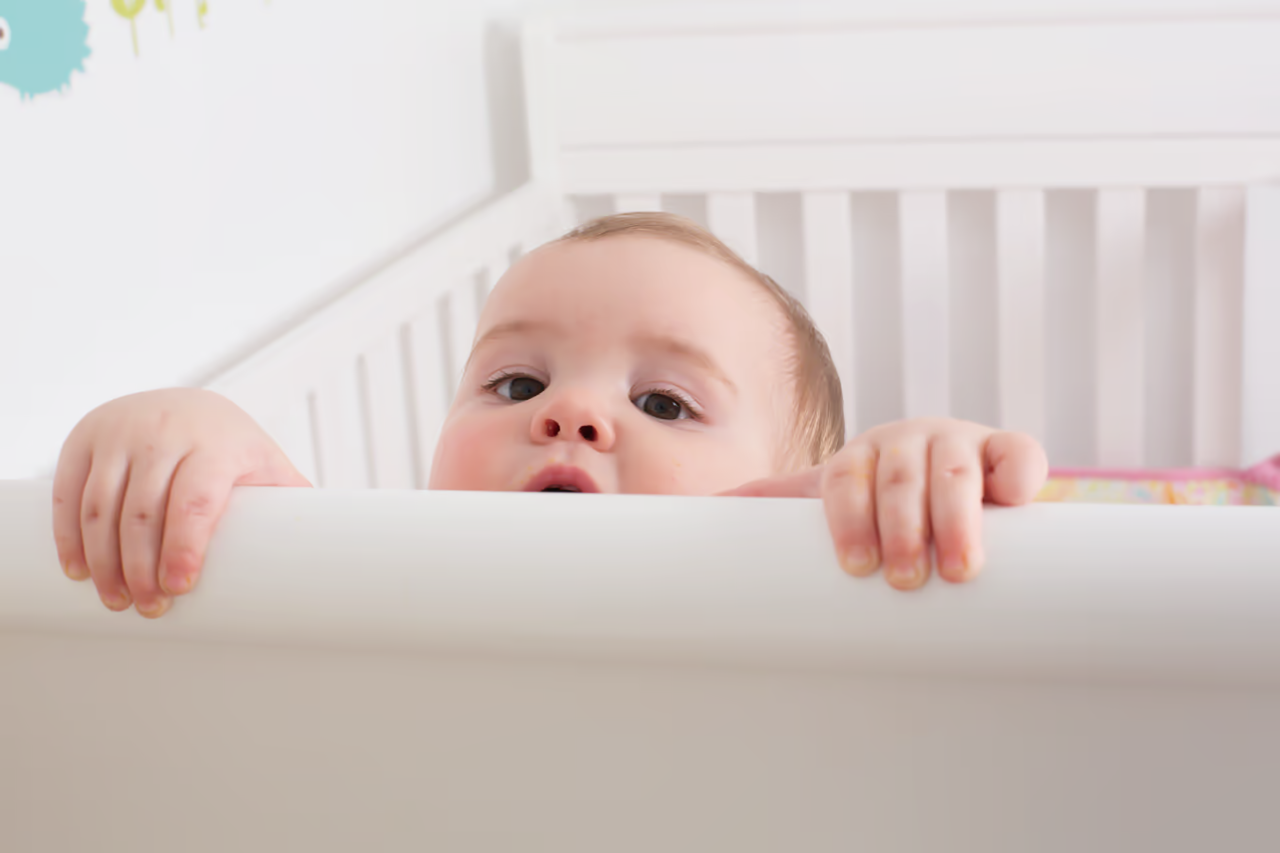
At nine months, your baby is becoming more adventurous and independent. They might be pulling up to stand, cruising along furniture, or even attempting to sit back down on their own. Some babies will wait a little longer to try standing, but don’t worry – every baby moves at their own pace. If they are standing, they might also start practicing how to bend their knees and sit back down, which is quite a tricky skill to master.
Sitting is now a steady, upright activity, and you might notice them clapping their hands, pointing at objects, or poking their fingers into small holes. Their growing dexterity even lets them pick up small toys with one hand and larger ones with both. You might spot the first signs of independence as they start holding their own bottle or nibbling on a biscuit by themselves.
Exploring through play
Playtime at this age is so much fun. Your baby enjoys interactive games like handing you a toy and waiting for you to give it back. They’ll also love activities like placing objects in a container and taking them out, stacking rings, or exploring toys with doors, levers, and moving parts.
You don’t need fancy toys to keep them entertained. Kitchen cupboards (made baby-safe) are a treasure trove, and banging on pots with a wooden spoon never gets old. Peek-a-boo behind the sofa or curtains and building towers with blocks are simple but delightful ways to connect and play.
If you’re thinking about toys to support their walking practice, a toy trolley or stroller can be helpful. Just make sure it’s stable, has a wide base, and is designed for babies. Avoid baby walkers, as they can interfere with natural walking development and pose safety risks.
Building strength and balance
Letting your baby practice walking barefoot helps strengthen their feet and leg muscles. Save those first shoes for when they’re walking outdoors. And if your little explorer is eager to climb stairs, keep a close eye on them – going up is often easier than figuring out how to come back down.
Emotional growth and attachment
As their memory grows, your baby is forming strong attachments to familiar people and might prefer some faces over others. Separation anxiety is still common at this stage, and they may feel uneasy when you leave. When you’re nearby, they’ll feel secure enough to explore and play but will often return to “check in” with you for reassurance.
Language and communication
Your baby is babbling more than ever and may even mimic sounds or noises to grab your attention. They’re starting to understand simple words and might pause if you say “no” firmly. Keep the conversation flowing – talk, sing, and read to them as much as you can. They’ll love it when you explain what you’re doing, make funny sounds, or respond enthusiastically to their noises.
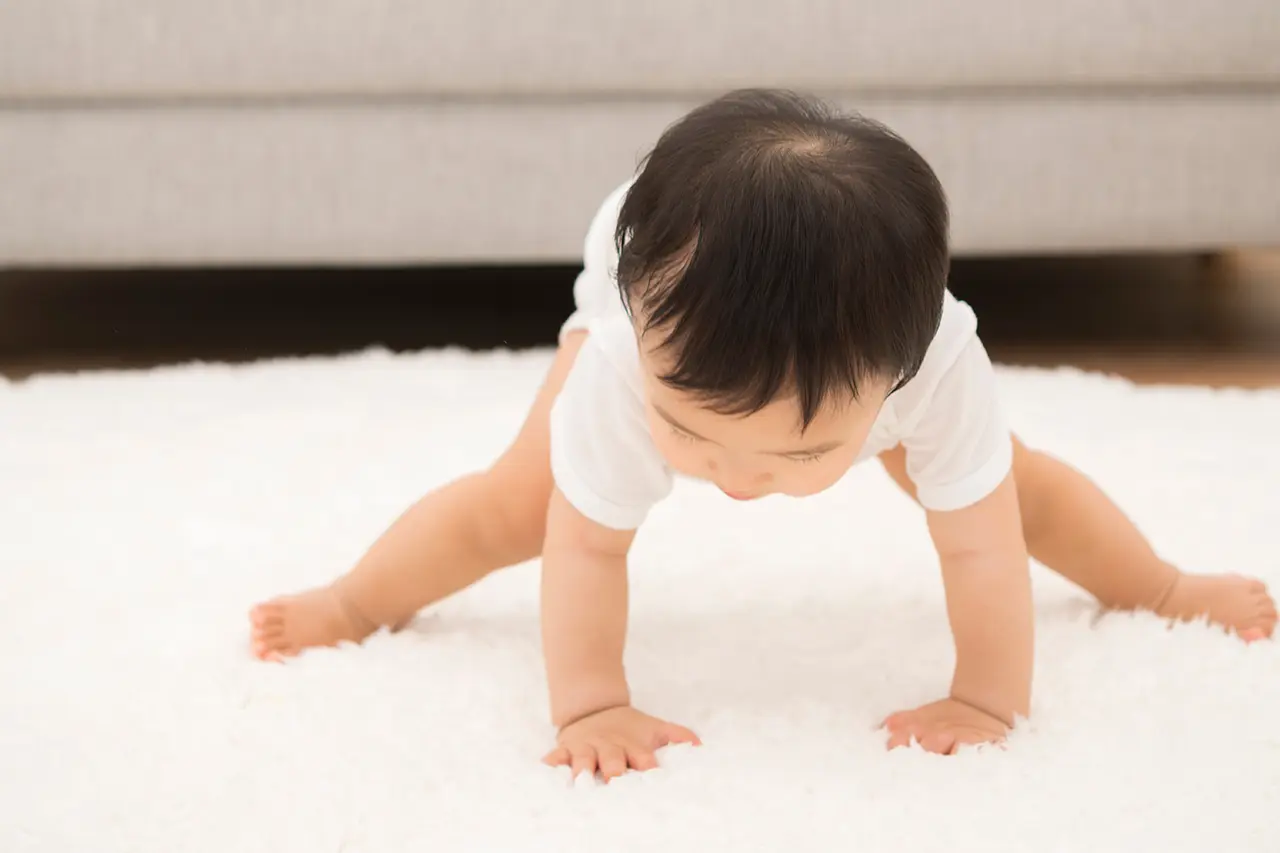

- Haven’t begun moving at all (e.g., crawling or scooting) or hold their body stiff when sitting.
- Show no interest in reaching for or interacting with objects.
- Don’t recognise familiar people or avoid making eye contact.
- Don’t turn towards quiet sounds.
- Aren’t babbling or responding to sounds made by others.
- Can’t be comforted when upset.